Calories Burned Weight Lifting
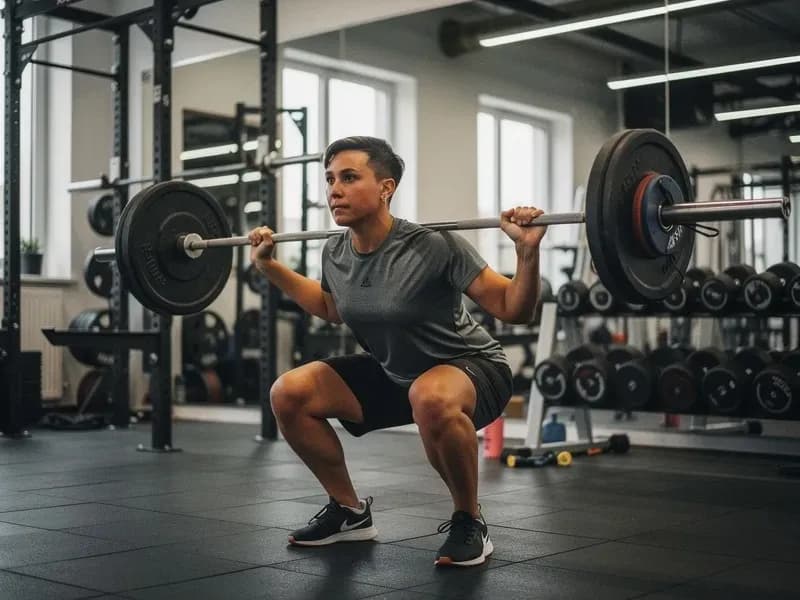
at 70 kg (154 lbs), 6 METs
Intensity
moderate
Category
Strength
Muscles Worked
Equipment: Dumbbells, Barbell, Weight Bench
Weight lifting is a strength-focused exercise that burns calories while building lean muscle mass. Vigorous weight lifting burns approximately 6.0 METs. A 70 kg (154 lb) person can burn about 441 calories per hour during an intense session. Beyond the immediate burn, the muscle you build through weight lifting increases your resting metabolic rate, helping you burn more calories around the clock.
Weight Lifting Calorie Calculator
30 min of weight lifting at 154 lbs (70 kg)
These estimates are for informational purposes only and should not replace professional medical advice. Actual calories burned vary based on individual factors including age, fitness level, body composition, and exercise intensity. Consult a healthcare provider before starting a new exercise program.
Track Your Weight Lifting Burn
CaloBurner syncs with Apple Health to log your activity automatically.

Weight Lifting Calories Burned by Weight & Duration
| Weight | 15 min | 30 min | 45 min | 60 min |
|---|---|---|---|---|
| 55 kg (121 lbs) | 87 cal | 173 cal | 260 cal | 347 cal |
| 70 kg (154 lbs) | 110 cal | 221 cal | 331 cal | 441 cal |
| 85 kg (187 lbs) | 134 cal | 268 cal | 402 cal | 536 cal |
| 100 kg (220 lbs) | 158 cal | 315 cal | 473 cal | 630 cal |
Calculated using the MET formula: calories = MET x weight (kg) x 3.5 / 200 x duration (min). MET value: 6 (Compendium of Physical Activities, Ainsworth et al. 2011).
Burn Off Your Meal with Weight Lifting
McDonald's Big Mac
580 cal
79 min of weight lifting
Chipotle Chicken Bowl
680 cal
93 min of weight lifting
Popeyes Chicken Sandwich
700 cal
95 min of weight lifting
Estimates for a 70 kg (154 lb) person.
Weight Lifting for Calorie Burning
Most people underestimate the calories burned weight lifting demands per session. At 6.0 METs for vigorous effort with free weights, a 70 kg (154 lb) person burns approximately 441 calories per hour. The real advantage of weight lifting, however, is the afterburn effect (excess post-exercise oxygen consumption, or EPOC). After an intense session, your body continues burning extra calories for 24 to 48 hours as it repairs and rebuilds muscle tissue.
Calorie burn during weight lifting depends on intensity, rest periods, and exercise selection. Compound movements like squats, deadlifts, and bench presses burn more calories than isolation exercises because they engage multiple large muscle groups simultaneously. A 85 kg (187 lb) lifter burns roughly 536 calories per hour, while a 55 kg (121 lb) lifter burns about 347 calories. Reducing rest periods between sets from 90 seconds to 30-45 seconds can increase calorie burn by 20-30%.
For weight management, the long-term benefit of weight lifting is significant. Each 0.45 kg (1 lb) of muscle you add burns an extra 6-10 calories per day at rest. Over time, this metabolic boost compounds. Many CaloBurner users combine 3-4 days of weight lifting with 2-3 days of cardio for maximum calorie burn and body composition improvement.
At 6.0 METs and 441 cal/hr, vigorous weight lifting burns the same as hiking (also 441 cal/hr) and more than elliptical training (368 cal/hr), dancing (404 cal/hr), and badminton (404 cal/hr). It falls below swimming (515 cal/hr), tennis (537 cal/hr), and running (720 cal/hr). To put the numbers in context, a 45-minute vigorous lifting session burns about 330 calories for a 70 kg person, roughly the equivalent of a McDonald's cheeseburger at 300 calories.
Weight lifting is arguably the most important exercise for long-term weight loss because of the muscle it builds. Cardio burns more calories during the session, but lifting reshapes your body composition. A person who adds 2.3 kg (5 lb) of lean muscle over several months increases their resting metabolic rate by 30 to 50 calories per day. That adds up to 10,950 to 18,250 extra calories burned per year, which translates to 1.4 to 2.4 kg (3 to 5 lb) of additional fat loss annually with no extra exercise.
Beginners should start with three full-body sessions per week, focusing on the five core compound lifts: squat, deadlift, bench press, overhead press, and barbell row. Use a weight that allows 8 to 12 repetitions with good form. The most common mistake beginners make is using excessive rest periods. Scrolling your phone for three to four minutes between sets drops your heart rate and cuts your session's calorie expenditure significantly. Keeping rest periods to 60 seconds or less maintains an elevated heart rate and can increase total calorie burn by 20 to 30 percent compared to longer rests.
To progress, increase the weight by small increments each week (progressive overload). You can also try supersets, performing two exercises back to back with no rest, which keeps your heart rate higher and compresses more work into less time.
Tips to Maximize Calorie Burn During Weight Lifting
- 1
Focus on compound movements (squats, deadlifts, bench press, rows) to maximize calorie burn per exercise.
- 2
Keep rest periods between sets to 30-60 seconds for higher calorie burn. Longer rests reduce total session expenditure.
- 3
Aim for 3-4 sets of 8-12 reps per exercise. This rep range balances muscle building with calorie burning.
- 4
Superset opposing muscle groups (like chest and back) to keep your heart rate elevated throughout the session.
- 5
Track your weights and reps. Progressive overload (gradually increasing weight) ensures your calorie burn continues to rise over time.
How Weight Lifting Compares
Calories per hour based on a 70 kg (154 lb) person.
Frequently Asked Questions
How many calories does weight lifting burn per hour?
Vigorous weight lifting burns approximately 441 calories per hour for a 70 kg (154 lb) person. Light to moderate lifting burns 220-350 calories per hour. A 90 kg (198 lb) person burns about 567 calories per hour during intense sessions. The actual burn depends on exercise selection, rest periods, and overall intensity.
Does weight lifting burn fat?
Yes, weight lifting burns fat both during and after your workout. A 70 kg (154 lb) person burns about 441 calories per hour while lifting, and the EPOC (afterburn) effect adds another 50-100 calories over the following 24 to 48 hours. Additionally, each 0.45 kg (1 lb) of muscle you build burns an extra 6-10 calories per day at rest, creating a compounding fat-loss effect over time.
Is weight lifting or cardio better for burning calories?
Cardio burns more calories per minute during exercise. Running at 9.7 km/h (6 mph) burns about 720 calories per hour versus 441 for weight lifting for a 70 kg (154 lb) person. However, weight lifting has a higher afterburn effect and builds muscle that increases your resting metabolic rate. Combining both gives the best results for long-term fat loss.
How long should a weight lifting session be?
For maximum calorie burn and muscle building, aim for 45-60 minutes per session. A 70 kg (154 lb) person burns roughly 330-441 calories in a 45-60 minute vigorous session. Sessions longer than 75 minutes often lead to diminishing returns as fatigue reduces intensity. Most CaloBurner users lift 3-4 times per week with rest days between sessions targeting the same muscle groups.
How many calories does a 30-minute weight lifting session burn?
A 70 kg (154 lb) person burns approximately 220 calories during a vigorous 30-minute weight lifting session. A heavier person at 90 kg (198 lb) burns about 284 calories. For lighter individuals at 55 kg (121 lb), the burn is roughly 174 calories. Add the afterburn effect and the total increases by 25-50 additional calories over the next day.
Related Activities
Track Your Weight Lifting Calories
CaloBurner syncs with Apple Health to count your steps and estimate calories burned throughout the day. Combine your weight lifting burn data with AI-powered meal tracking for a complete picture.
Calculate your daily calorie target · Browse restaurant calories
MET values from the Compendium of Physical Activities, Ainsworth et al. 2011. Calorie estimates are approximations and vary based on individual factors including fitness level, body composition, and exercise intensity. Written by the CaloBurner team.